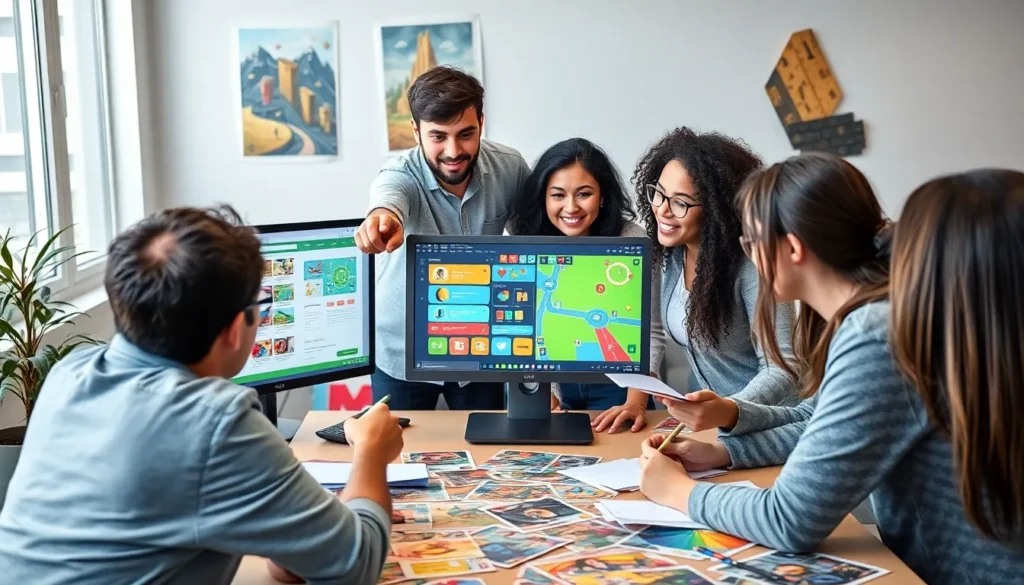
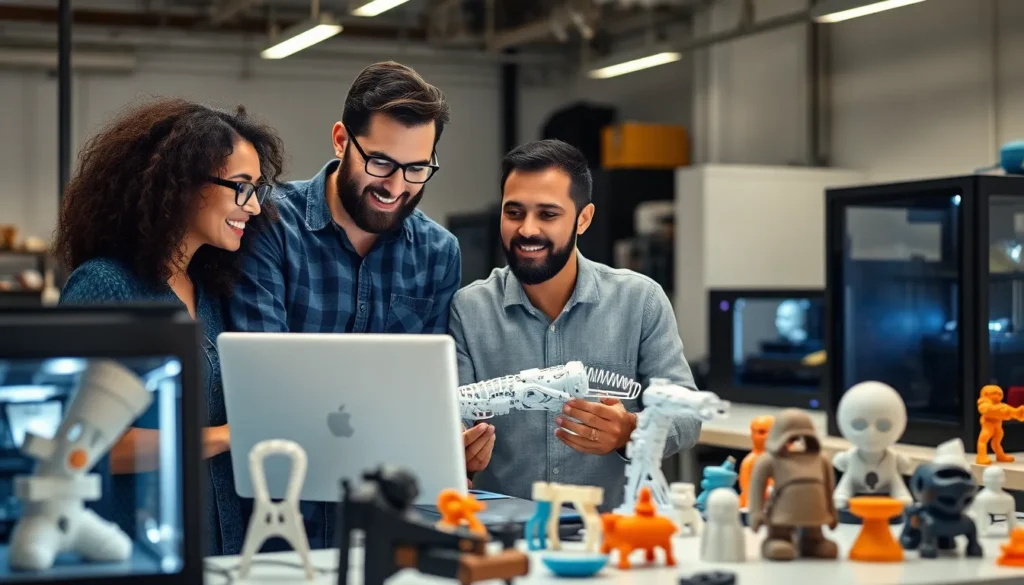
In a world where everything seems to be getting bigger, why not shrink things down a bit? Enter the magical realm of 3D printing miniature models, where creativity knows no bounds and tiny treasures come to life. Whether it’s a pint-sized replica of a beloved character or a detailed model of a dream home, 3D printing makes it all possible—and it’s a lot more fun than trying to assemble IKEA furniture!
Overview of 3D Printing Miniature Models
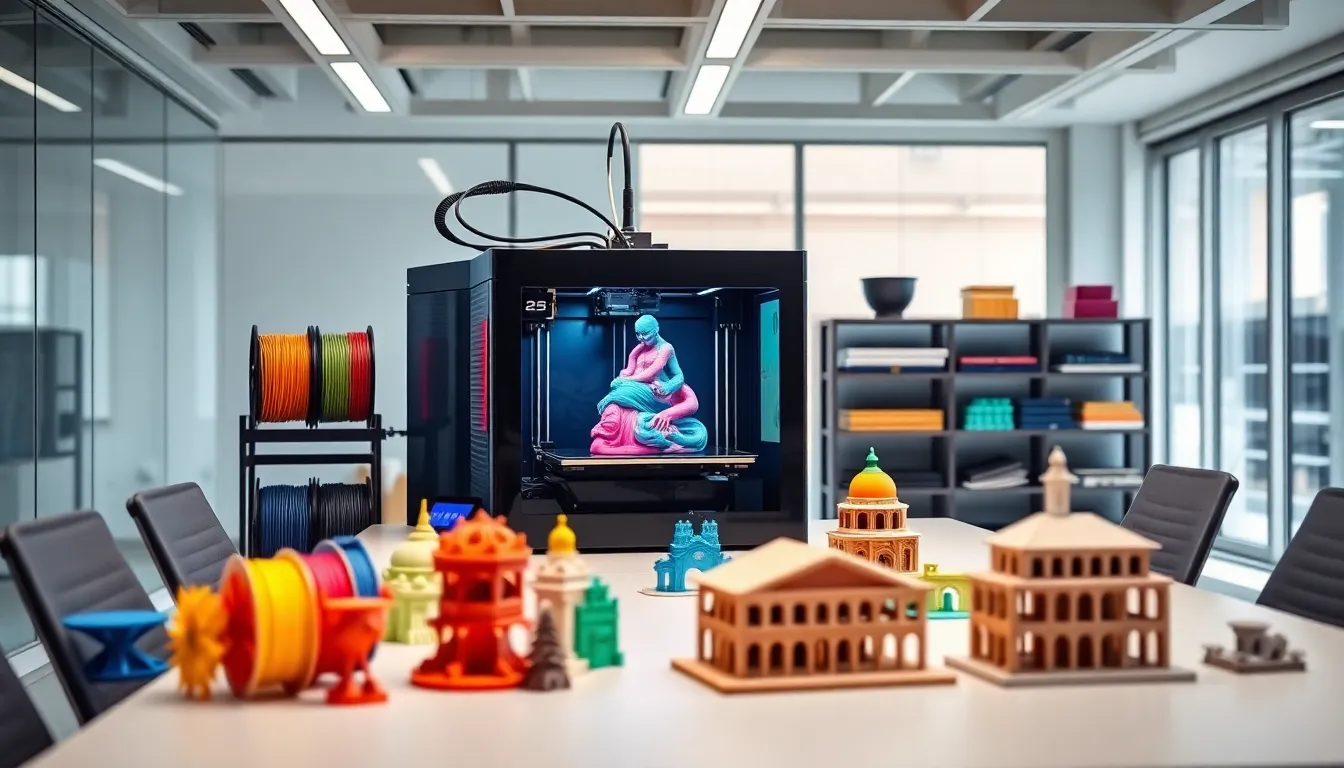
3D printing miniature models captivates hobbyists and professionals alike. Creators can turn their ideas into tangible designs through various techniques. This technology allows for the production of detailed replicas, whether it’s a historical landmark or a character from a beloved film.
The accessibility of 3D printers has expanded significantly in recent years. Many affordable options are available for both beginners and seasoned experts. Filament types, including PLA and ABS, offer diverse choices that impact the final model’s quality and durability.
Customization plays a crucial role in the appeal of 3D printing. Artists can modify designs using software like Tinkercad or Blender, tailoring each model to their specific vision. This flexibility results in unique pieces that reflect personal creativity.
Miniature models serve various purposes, from tabletop gaming to architectural prototypes. Gamers often utilize custom figures to enhance their playing experience, while architects showcase designs in scaled-down formats. Educational institutions also benefit, using these models to demonstrate complex concepts visually.
Printing time and resolution are vital factors in the creation process. High-resolution prints render intricate details, captivating viewers with realism. On the other hand, quicker prints may sacrifice some details but allow for rapid prototyping.
The community surrounding 3D printing is supportive and resourceful. Many online platforms exist, where creators share tips, designs, and troubleshooting advice. Engaging with this community can enrich the creative experience and improve technical skills.
Overall, 3D printing miniature models fosters innovation and imagination. It empowers individuals to explore their creativity while producing unique elements that enhance various fields, from entertainment to education.
Advantages of 3D Printing Miniature Models
3D printing miniature models offers numerous benefits, making it a preferred choice among creators and hobbyists alike.
Customization Options
Customization stands out as one of the primary advantages of 3D printing. Designers create unique pieces tailored to specific preferences or project requirements. Various software tools, such as Tinkercad and Blender, empower users to modify designs extensively. Each print reflects individual creativity, whether it’s modifying a character’s pose or adjusting architectural features. Endless possibilities exist in shape, size, and details, accommodating personal visions and needs.
Cost-Effectiveness
Cost-effectiveness plays a key role in the popularity of 3D printing. Creating miniature models through traditional methods often incurs higher material and labor costs. Conversely, 3D printing minimizes these expenses significantly. Affordable printers and filaments allow individuals to produce models without breaking the bank. Fast production speeds reduce the time needed to create multiple designs, leading to greater efficiency in project development.
Popular Materials Used
3D printing miniature models utilizes various materials. The choice of material affects print quality, durability, and application.
PLA and ABS
PLA, or polylactic acid, stands out for its ease of use and eco-friendliness. Available in a variety of colors, PLA suits beginners and hobbyists alike. This material produces bright prints, making it ideal for vibrant designs. ABS, or acrylonitrile butadiene styrene, offers strength and impact resistance. Many professionals favor ABS for its durability, especially in functional models. Both materials can withstand extensive handling, providing creators with reliable options for various applications. Flexibility in temperature settings enhances the versatility of both PLA and ABS.
Resin Printing
Resin printing delivers high levels of detail, making it a popular choice for intricately designed miniature models. This technique utilizes liquid resin, which cures under UV light, achieving fine detail and smooth finishes. Models printed in resin often display clean edges and sharp features, ideal for showcasing in tabletop games. Moreover, various resins are available, including flexible and high-temperature options, catering to specific project needs. The curing process allows faster resolution, enabling rapid prototyping with exceptional quality. This combination of detail and variety makes resin an appealing choice for many creators.
Applications of 3D Printed Miniature Models
3D printed miniature models find applications in various fields, showcasing exceptional versatility and creativity.
Hobbies and Crafts
Hobbies and crafts benefit significantly from 3D printed miniature models. Gamers often utilize these models to enhance tabletop experiences, creating immersive environments with detailed scenery and character replicas. Crafters appreciate the customization options, enabling them to produce unique decorations, jewelry, or collectibles tailored to personal preferences. Model train enthusiasts also embrace miniature replicas, adding precision-engineered elements to their layouts. Additionally, 3D printing facilitates rapid prototyping, allowing hobbyists to iterate designs quickly without high costs. Projects that involve multiple iterations gain efficiency through this process, as hobbyists can develop intricate pieces that align with their visions.
Prototyping for Industries
Industries leverage 3D printed miniature models for prototyping, significantly streamlining product development cycles. Designers focus on creating visual representations of products, enabling stakeholders to assess concepts before production. Rapid prototyping allows for quick adjustments based on feedback, reducing the time required to launch new products. Companies in manufacturing, toy development, and architecture utilize these models to create functional prototypes that test form and fit. Product design teams rely on high-resolution prints to showcase intricate details, crucial for client presentations. 3D printing also supports smaller businesses since it minimizes material waste and lowers production costs, thus fostering innovation and creativity across various sectors.
Tips for Successful 3D Printing
Success in 3D printing miniature models involves attention to detail and best practices. Focusing on the right equipment and techniques makes a significant difference in the outcome.
Choosing the Right Printer
Selecting the right printer is crucial. Consider factors like print resolution, build size, and filament compatibility. Resin printers excel in detail, making them ideal for intricate designs. FDM printers, on the other hand, are versatile and often more affordable, catering to a diverse range of projects. Know the specific needs of a project before making a purchase. Assessing user reviews can reveal insights into reliability and performance. Investing in a quality printer optimizes the printing process and enhances final results.
Post-Processing Techniques
Post-processing dramatically improves the appearance and durability of prints. Techniques like sanding smooths out rough edges, while painting and sealing add a finished look. Using a primer prior to painting helps colors adhere better, resulting in a vivid finish. Options such as acetone vapor smoothing can enhance the surface of ABS prints, providing a glossy effect. Applying a protective sealant increases durability and longevity. Experimenting with various techniques allows for tailored results that reflect individual preferences. Each step in post-processing contributes to achieving polished, professional-looking miniatures.
Conclusion
The world of 3D printing miniature models offers endless possibilities for creativity and innovation. With the right tools and materials anyone can transform ideas into stunning tangible designs. The ability to customize each model not only enhances personal expression but also elevates the overall experience for hobbyists and professionals alike.
As the technology continues to evolve and become more accessible the impact of 3D printing on various industries will only grow. From gaming to architectural design the benefits of rapid prototyping and cost-effectiveness are undeniable. Embracing this artistic medium allows creators to push boundaries and explore new realms of imagination.