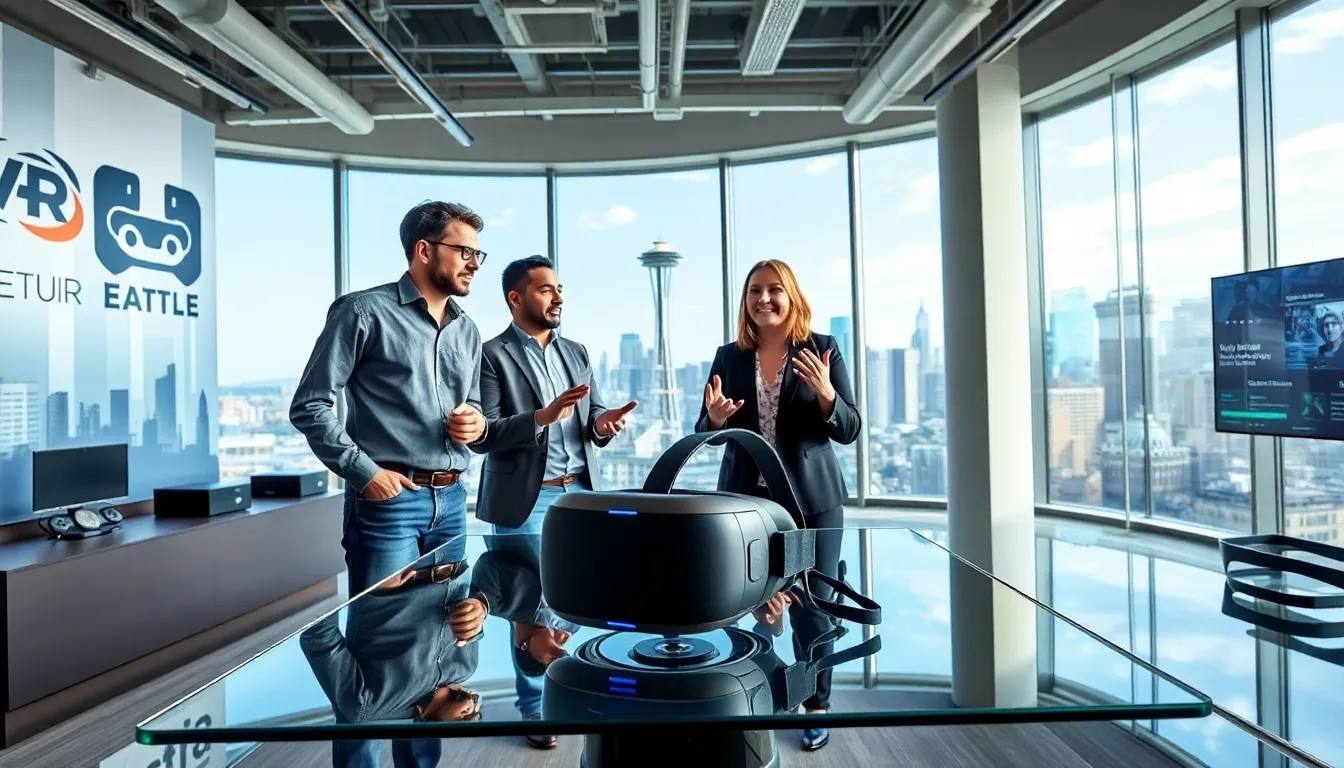

Imagine strapping on a headset and finding yourself in the lush forests of the Pacific Northwest, or battling it out in a futuristic gaming arena without ever leaving your living room. Welcome to the world of virtual reality in Seattle, where the skyline meets the surreal and tech takes a bold leap into an alternate universe. Seattle isn’t just about coffee and the Space Needle anymore: it’s a burgeoning hub for VR advancements, fostering creativity and innovation like never before. In this text, we will explore the history, current landscape, applications, challenges, and the exciting future of virtual reality in this vibrant city.
Overview of Virtual Reality in Seattle
History and Evolution of VR in Seattle
Seattle’s virtual reality scene started gaining traction in the early 2010s, driven by a fusion of its rich tech ecosystem and a culture that embraces innovation. At first glance, VR was viewed as a novelty, but with tech giants and promising startups emerging, the perception shifted. Pioneering companies like Valve and Microsoft paved the way, bringing significant investment into this immersive technology. Valve, known for its gaming platform Steam, was pivotal in introducing consumer-friendly VR headsets, igniting interest and investment across the state.
Current VR Landscape and Major Players
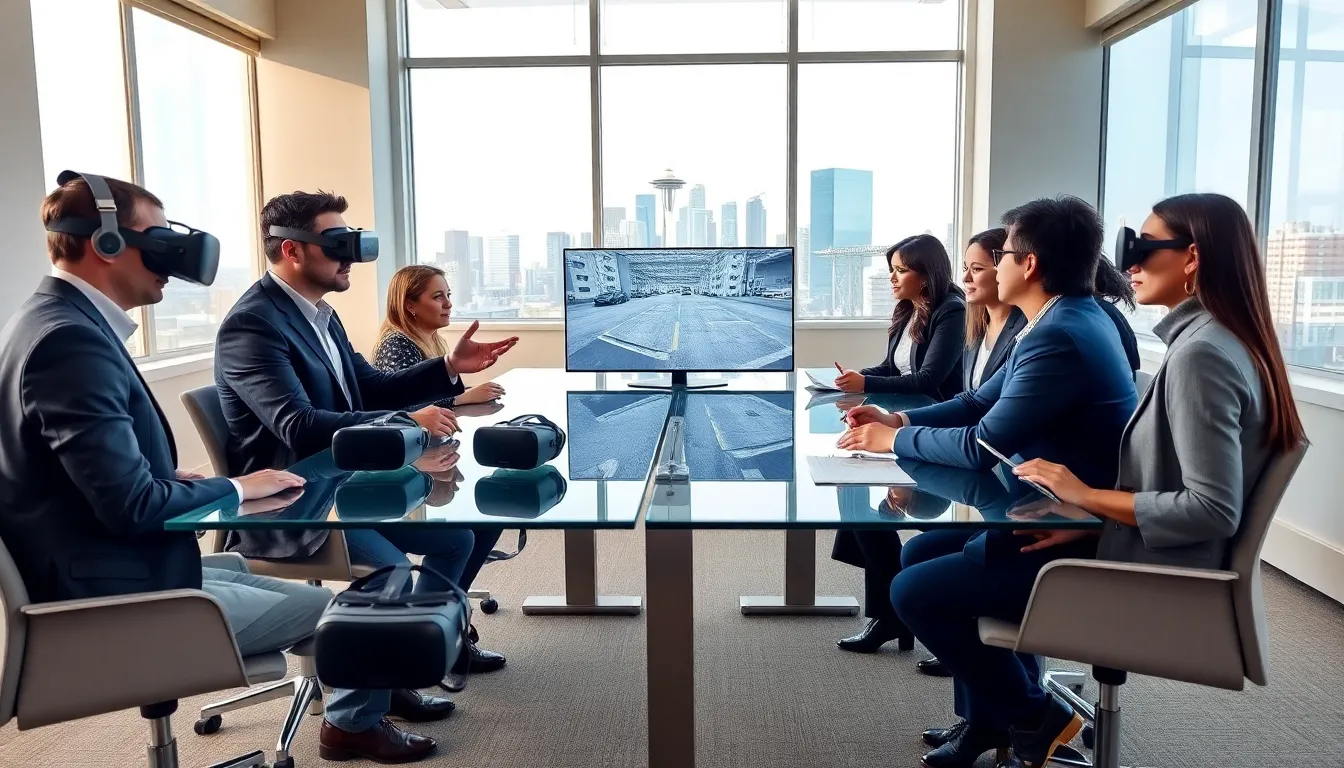
Today, the VR landscape in Seattle is a vibrant tapestry of established firms and ambitious startups. Companies such as Oculus (owned by Facebook) contribute significantly to the scene while local innovators like 8ninths and Pixvana focus on creating compelling VR content and experiences. Collaboration is thriving in this ecosystem, with meetups, hackathons, and conferences like the Seattle VR Meetups drawing enthusiasts, developers, and investors together. As VR technology evolves, Seattle remains a crucible for development, attracting talent and investment focused on delivering groundbreaking virtual experiences.
Applications of Virtual Reality in Various Sectors
Entertainment and Gaming
The gaming industry has embraced virtual reality wholeheartedly. Seattle is home to numerous game development studios that have created immersive experiences which are turning heads. VR gaming is not just about graphics: it’s about creating emotional connections. From the thrilling rides of RollerCoaster Tycoon to the eerie realms of horror games, VR enhances gameplay to new heights.
Education and Training
In educational settings, VR’s capabilities are being harnessed to create simulations for students, from immersive history lessons to real-world medical training. By virtualizing experiences, educators can provide students with hands-on opportunities previously restricted by cost or feasibility. For instance, medical students at local universities are using VR to practice surgical procedures, enhancing their learning and confidence before they ever see a real patient.
Healthcare Innovations
Likewise, the healthcare sector is witnessing a VR revolution. Pain management, PTSD therapy, and rehabilitation programs are using VR to provide patients with immersive healing experiences. Local hospitals and startups are running trials on VR applications that not only ease physical pain but also improve mental health outcomes. This intersection between technology and compassionate healthcare is reshaping patient care in Seattle.
Challenges Facing VR Development in Seattle
Technological and Infrastructure Barriers
Even though its promising horizon, the virtual reality industry in Seattle faces challenges. High development costs, the need for advanced hardware, and showcasing content on various platforms create friction. Not to mention, many users encounter motion sickness or discomfort during prolonged VR use. Tackling these technological hurdles is essential for broader adoption in traditional settings.
Regulatory and Ethical Considerations
Regulatory concerns also linger. As companies create more immersive experiences that blur the line between reality and fantasy, ethical considerations around user privacy arise. How data is collected, used, and protected in a VR context becomes paramount. Discussions surrounding these issues enable a responsible approach while driving innovation. Seattle’s VR community is engaging in these conversations, aiming for ethical and sustainable growth.
Future Trends in Virtual Reality in Seattle
Emerging Technologies and Innovations
Looking ahead, the future of virtual reality in Seattle is bright. Emerging technologies such as 5G connectivity will significantly enhance VR experiences, reducing latency and making it easier for developers and users alike. Besides, advancements in artificial intelligence will create more interactive and engaging virtual environments, allowing users to interact with applications in organic and intuitive ways.
Community and Collaboration Efforts
Community is the linchpin in this evolution. Collaboration among developers, educators, and healthcare professionals is accelerating VR innovations. Various local tech incubators and educational institutions are launching initiatives to foster partnerships, drawing on the region’s talent pool. By working together, Seattle’s stakeholders are forging a reality where VR can flourish.