
Imagine slipping on a headset and stepping into your future home without leaving your couch. Sounds like something out of a sci-fi movie, right? Well, that’s the magic of virtual reality in real estate. In a world where house hunting often involves endless showings and stressful negotiations, VR swoops in like a superhero, making the process not just easier but way more fun. This article explores how virtual reality is revolutionizing the real estate landscape, making buying a home as exciting as binge-watching your favorite series.
The Evolution of Virtual Reality in Real Estate
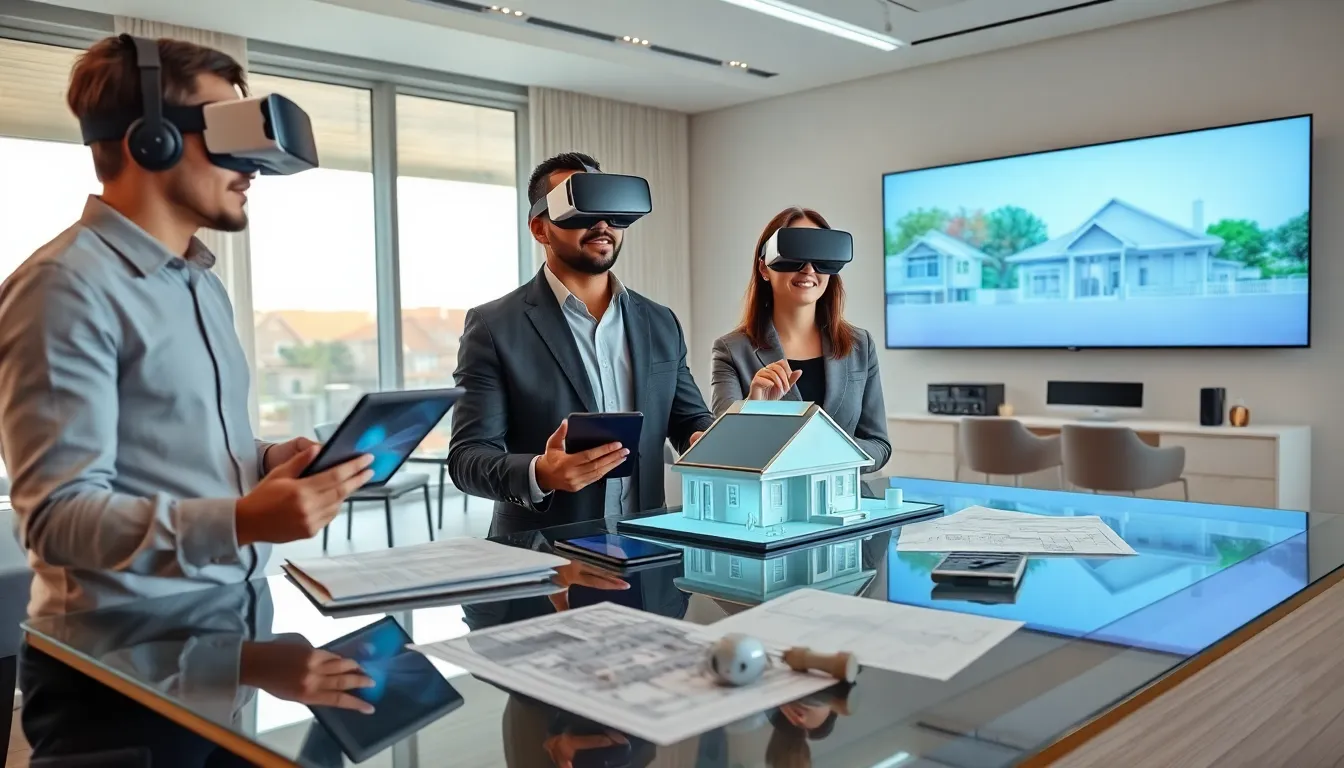
Virtual reality has come a long way since its inception. Initially confined to gaming and entertainment, it has seamlessly moved into the realm of real estate. Early adopters of VR technology were primarily using simple models and basic visuals, creating a somewhat clunky but groundbreaking experience. Fast forward to today, and we’ve entered an era where VR allows potential buyers to walk through homes, explore every corner, and even visualize renovations before making a commitment. Leading agencies and tech companies have joined forces, making cutting-edge VR platforms more accessible to both agents and buyers. This evolution isn’t just about fancy gadgets: it’s about changing the way people think about property.
Virtual reality has now become a game-changer, letting buyers experience homes as if they were really there, no matter where they are. This shift in technology has significantly impacted the industry, signaling a new standard for engagement and transparency.
Benefits of Virtual Reality in Property Buying
Venture into the benefits of virtual reality in property buying, and you’ll quickly realize it’s not just about looking cool. For starters, it saves time. Buyers can tour multiple properties in the blink of an eye. Want to check out that charming bungalow across town and the sleek downtown condo? No problem. Virtual reality makes that a breeze.
More interestingly, VR is about making informed decisions. With immersive experiences, potential buyers can visualize the space in ways that photos or videos simply can’t capture. Imagine taking a virtual stroll through a house, feeling the flow from room to room, and really connecting with the place before ever stepping foot inside, talk about a major advantage. Also, virtual reality empowers buyers to engage with the property at their own pace, allowing them to revisit their favorite spots as many times as they like.
How Virtual Reality Tours Enhance Property Marketing
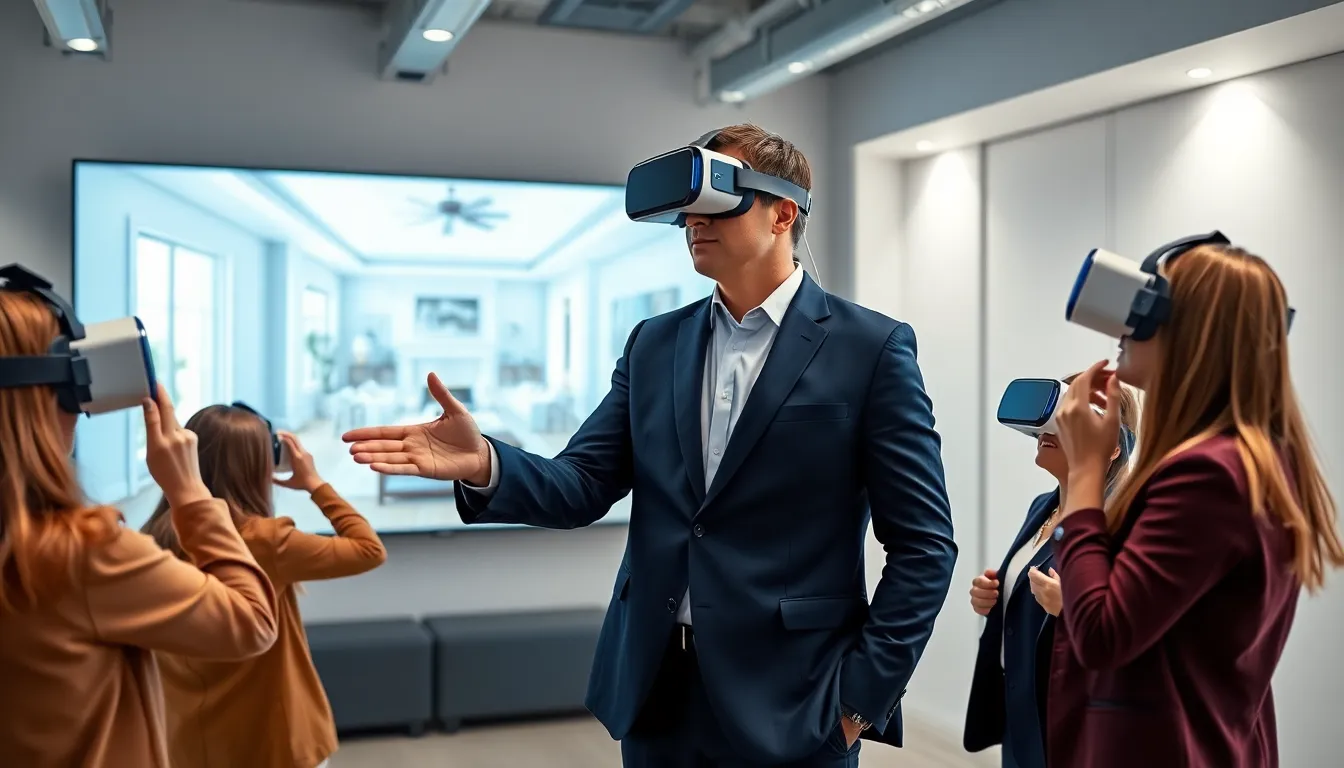
Virtual reality tours have completely transformed property marketing. Traditionally, sellers had to rely on dull photos or long videos that might not showcase their property’s true essence. Enter VR tours, where potential buyers don headphones, slip on their headsets, and are transported directly into a 3D version of the home. This immersive experience not only captivates but also motivates buyers.
Also, integrating VR into marketing strategies helps sellers differentiate themselves in a competitive market. Agencies adopting VR often report increased engagement, leading to quicker sales. It’s a way to stand out in a sea of listings. Highlighting unique features of properties through VR experiences can also create a connection that typical listings simply can’t achieve.
The Technology Behind Virtual Reality Real Estate
Understanding the technology behind virtual reality in the real estate sector reveals a fascinating fusion of hardware and software. At its core, VR relies on advanced 3D modeling and rendering, enabling realistic representations of properties. Companies can now create hyper-realistic tours that allow viewers to check textures, colors, and even dimensions.
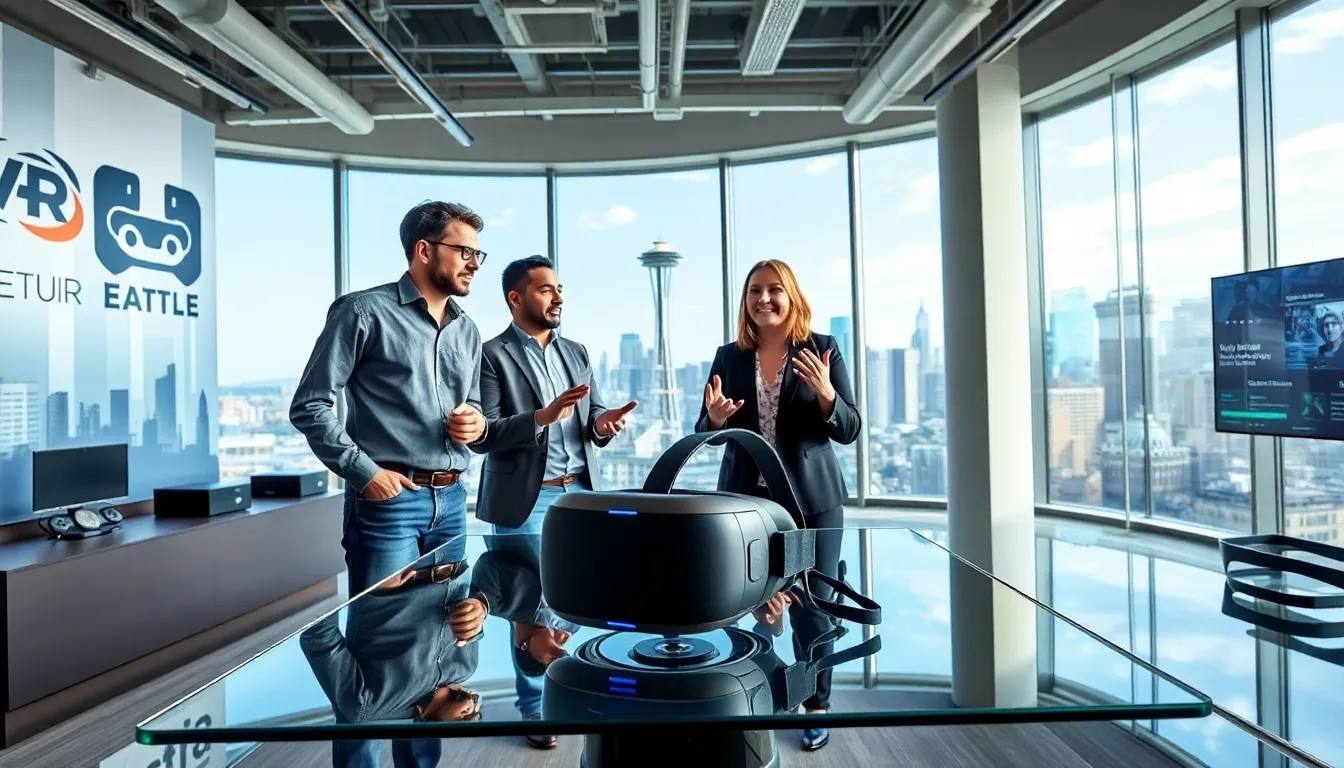
Headsets from brands like Oculus and HTC Vive provide diverging levels of immersion, while mobile VR options increase accessibility for users not ready to invest in pricey gear. From integrating real-time virtual staging to offering interactive elements within the tours, the technology is continually evolving. Besides, mixed reality experiences are beginning to enter the scene, wherein potential buyers can view both physical and digital elements combined, a breakthrough thought to revolutionize properties showcasing even further.
Challenges and Limitations of Virtual Reality in Real Estate
Even though the many advantages of virtual reality in real estate, there are undeniable challenges that come with it. One major drawback is the initial cost. Creating high-quality virtual tours often requires a significant investment in technology and skilled professionals, which can be a barrier for smaller agencies. Also, while VR offers stunning immersion, it lacks the tactile experience of physically walking through a home. Some buyers still want to touch, feel, and smell their potential new home, and that sensory experience is lost in the virtual world.
Also, technology limitations can hinder the overall experience. Poor internet connectivity or low-quality VR gear can lead to frustrating experiences, creating hesitance among buyers who may be new to the technology. Addressing these challenges is crucial for the mainstream adoption of VR in real estate.
The Future of Virtual Reality in Real Estate
Looking ahead, the future of virtual reality in real estate promises to be even more exciting. As technology advances, we can expect VR experiences to become more lifelike and immersive. Imagine a scenario where one could walk through a property with a virtual agent, asking questions and receiving answers in real-time, how cool would that be?
Also, AI integration may personalize experiences further, allowing for tailored tours based on buyer preferences. The mainstream use of augmented reality overlays points of interest, neighborhood data, or future renovation possibilities could completely redefine how properties are showcased. With the continuous development of tech standards, VR is bound to seed a future where house hunting is immersive, efficient, and eventually transformational.