


Have you ever wanted to step right into a movie? Imagine sitting in your living room and suddenly finding yourself battling dragons or dancing at a gala in Paris. Welcome to the world of virtual reality movies. This isn’t just a futuristic fantasy: it’s here, and it’s making waves in the film industry. Virtual reality cinema offers an experience so immersive it might make traditional movies feel like watching paint dry. So, grab your VR headset and get comfy, because this is a ride you won’t want to miss.
What Is Virtual Reality Cinema?
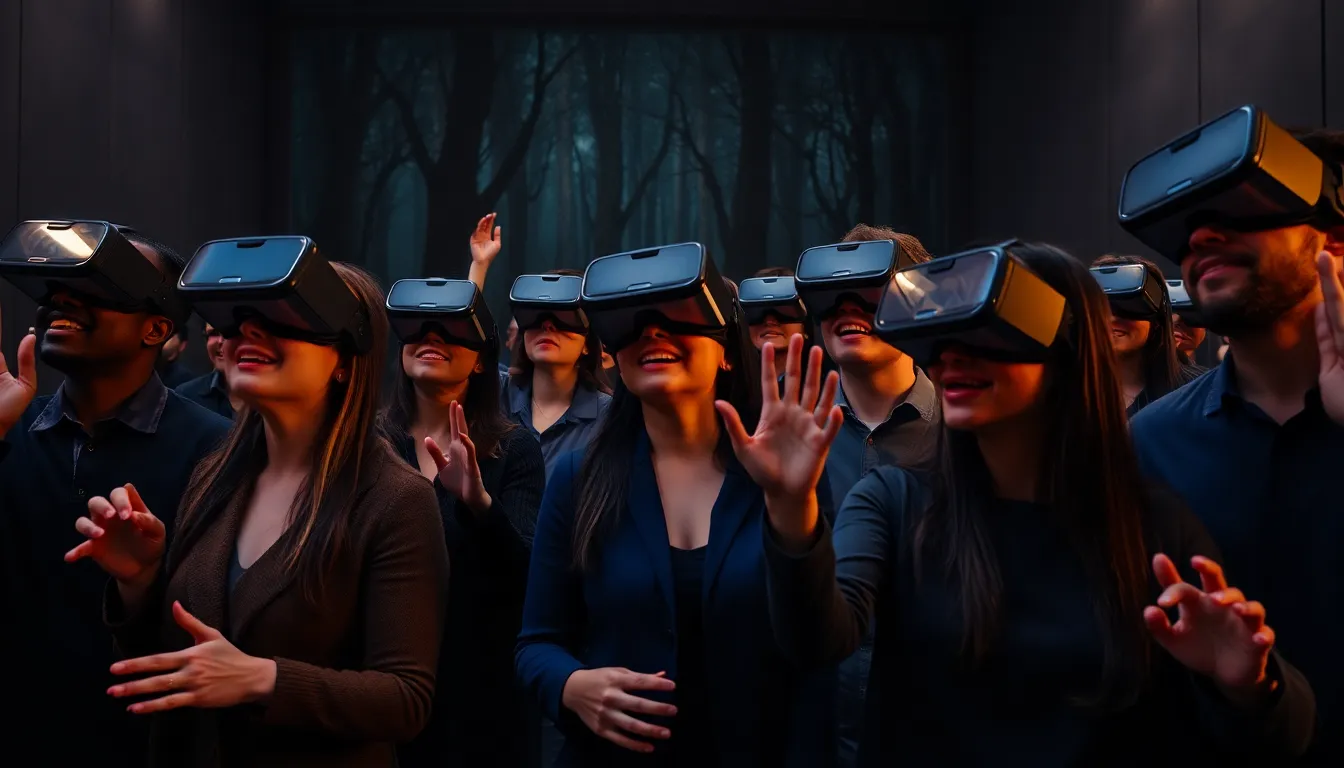
Virtual reality cinema takes the concept of film and elevates it to a whole new level, quite literally. In traditional films, viewers are passive spectators, sitting quietly in their seats, absorbing storytelling through the screen. But, with virtual reality (VR), the audience transforms into active participants, navigating through 3D spaces and engaging with the narrative on a deeply personal level.
Imagine watching a horror movie where you can turn your head to look around the dark forest rather than just viewing the action from a fixed angle. This technology allows filmmakers to create an entirely new dimension of storytelling, where viewers can explore environments and interact with characters. Every glance and movement can influence how the story unfolds, crafting a uniquely personalized experience for each individual.
In essence, virtual reality cinema merges the art of storytelling with cutting-edge technology, giving audiences an experience that blurs the lines between fiction and reality.
The Technology Behind Virtual Reality Movies
The technology powering virtual reality cinema is a combination of sophisticated hardware and software. High-definition headsets (think Oculus Rift, HTC Vive, or PlayStation VR) are at the core of this experience. These devices come equipped with motion sensors that track the user’s head movements with impressive accuracy, enabling seamless navigation through virtual environments.
Alongside the headsets, VR studios leverage state-of-the-art graphics and sound design to immerse viewers completely. Spatial audio technologies play a crucial role, ensuring that sounds come from the correct direction, amplifying the believability of the environment.
Besides, the importance of storytelling design cannot be overlooked. Creators must consider how a viewer’s interactions with the space will affect the narrative. They often work collaboratively with game designers to create experiences that engage the audience, allowing choices that can change the storyline.
Benefits of Virtual Reality in Film
Virtual reality in film offers numerous benefits that move beyond conventional filmmaking techniques. One of the most significant advantages is enhanced immersion. Viewers feel as if they are part of the film, experiencing emotions and events more vividly than they would in traditional formats.
This immersion can also be educational. Documentaries using VR can transport audiences to critical historical events or natural wonders, effectively weaving learning into entertainment. For instance, a documentary about climate change might allow viewers to explore melting glaciers first-hand, fostering a deeper understanding of the subject.
Besides educational aspects, VR creates a sense of presence that can lead to emotional connections with characters and stories. Filmmakers can develop plots that resonate more deeply with audiences, leaving a lasting impression long after the goggles come off.
How Virtual Reality Movies Are Changing Storytelling
The narrative structure in virtual reality differs markedly from conventional storytelling. Unlike linear plots, VR opens pathways for non-linear storytelling, where viewers choose their experiences. This interactivity can lead to multiple outcomes based on audience decisions, making repeat viewings compelling as users discover new facets of the story each time.
Every movement influences the experience, with interactive elements woven seamlessly into the narrative. These choices allow filmmakers to explore themes of agency and consequence. For instance, choosing to save a character may lead to different emotional arcs and endings based on that moment, fostering a complex storytelling dynamic.
As filmmakers embrace this shift, a new genre of transmedia storytelling emerges, where narratives extend beyond a single experience. Cross-platform interactions enhance engagement, allowing stories to unfold through video games, graphic novels, and of course, film.
Popular Virtual Reality Films and Experiences
Several virtual reality films and projects have gained recognition for pushing the boundaries of storytelling. Titles like “The Invisible Man” offer viewers an immersive glimpse into the suspenseful life of the protagonist, allowing them to face fear in ways traditional movies cannot match. Other experiences such as “Wolves in the Walls” let users step into a whimsical yet haunting world, cleverly showcasing narrative possibilities in VR.
Platforms like Oculus and Steam have expanded their libraries, giving audiences access to a variety of experiences that range from horror to adventure. Notably, “Henry,” produced by Oculus Story Studio, won accolades for its emotional storytelling and delightful graphics.
Meanwhile, projects like “The Lion King” have experimented with VR teasers, inviting audiences into the world of beloved characters, blending tradition with innovation. Each title broadens the potential of storytelling, showcasing the vast possibilities within the realm of virtual reality films.
The Future of Virtual Reality in Film Industry
The future of virtual reality in the film industry is as bright as the pixels on a VR screen. As technology continues to evolve, the potential for advancement is staggering. With artificial intelligence and machine learning integrating into VR, films can become even more personalized based on audience preferences and interactions.
But, the road ahead isn’t without its challenges. High production costs can deter filmmakers, and hardware limitations may hinder widespread adoption. Besides, a looming concern is audience fatigue, if experiences are not engaging enough, consumers may drift back to traditional formats.
Even though these challenges, innovative minds are finding ways to create compelling narratives that captivate audiences. Collaborations between filmmakers, software developers, and game designers promise to push the boundaries of storytelling further, making virtual reality a staple in the film industry.


