Virtual reality’s taken a giant leap from sci-fi fantasy to everyday reality, and it’s not just for gamers anymore. Imagine slipping on a headset and suddenly finding yourself in a meeting on Mars or attending a concert from your living room while still in your pajamas. Sounds a bit wild, right? But these breakthroughs are transforming how we work, play, and connect.
Overview of Virtual Reality Breakthroughs
Virtual reality has made significant strides in diverse fields beyond gaming. With advancements in hardware and software, VR now serves as a vital tool in fields such as education, healthcare, and real estate. These sectors leverage VR for a more immersive experience, enhancing learning, training, and sales presentations.
Education uses VR to create engaging simulations. Students can explore historical events or conduct science experiments in a virtual lab, providing hands-on experience often unattainable in traditional settings. Research indicates that students retain information more effectively when they learn through immersive environments.
Healthcare benefits from VR through realistic training scenarios for medical professionals. Surgeons practice complex procedures using VR simulations, reducing risks during actual surgeries. This breakthrough in medical training enhances skills and increases confidence without putting patients at risk.
Real estate agents utilize VR to conduct virtual tours of properties. Potential buyers can explore homes remotely, saving time and travel costs. Data shows that listings with virtual tours receive 87% more inquiries than those without.
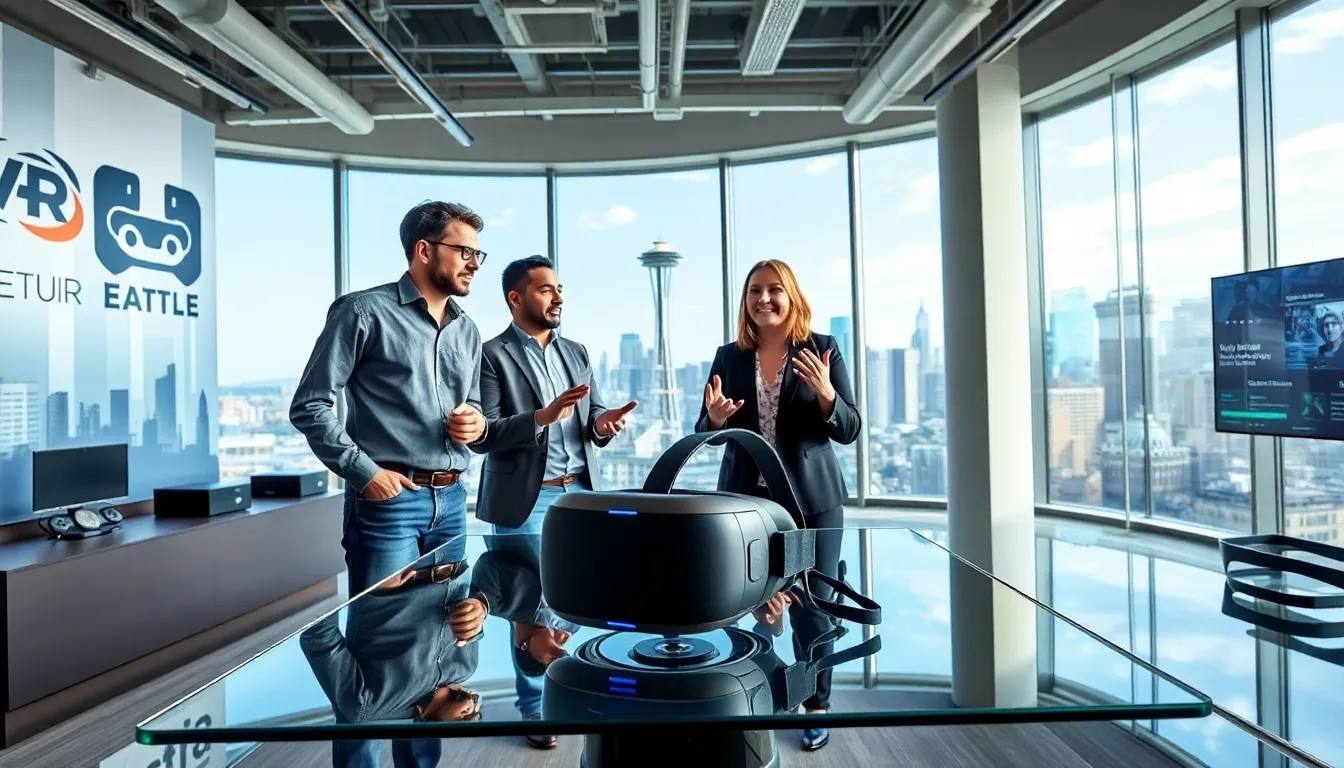
Additionally, VR technology facilitates remote work and collaboration, enabling teams to interact in virtual spaces. Meetings in these environments mimic in-person interactions, fostering a sense of presence essential for effective communication. Companies adopting VR for their networking processes report improved teamwork and creativity.
Entertainment also sees remarkable changes through VR experiences like immersive concerts and interactive movies. Users engage with content more deeply, creating lasting memories. Statistically, audience satisfaction ratings for VR events far exceed traditional formats.
Virtual reality continues to evolve with ongoing innovations. As technology improves, the potential applications expand, promising exciting developments for individuals and industries alike.
Key Technologies Driving Innovation
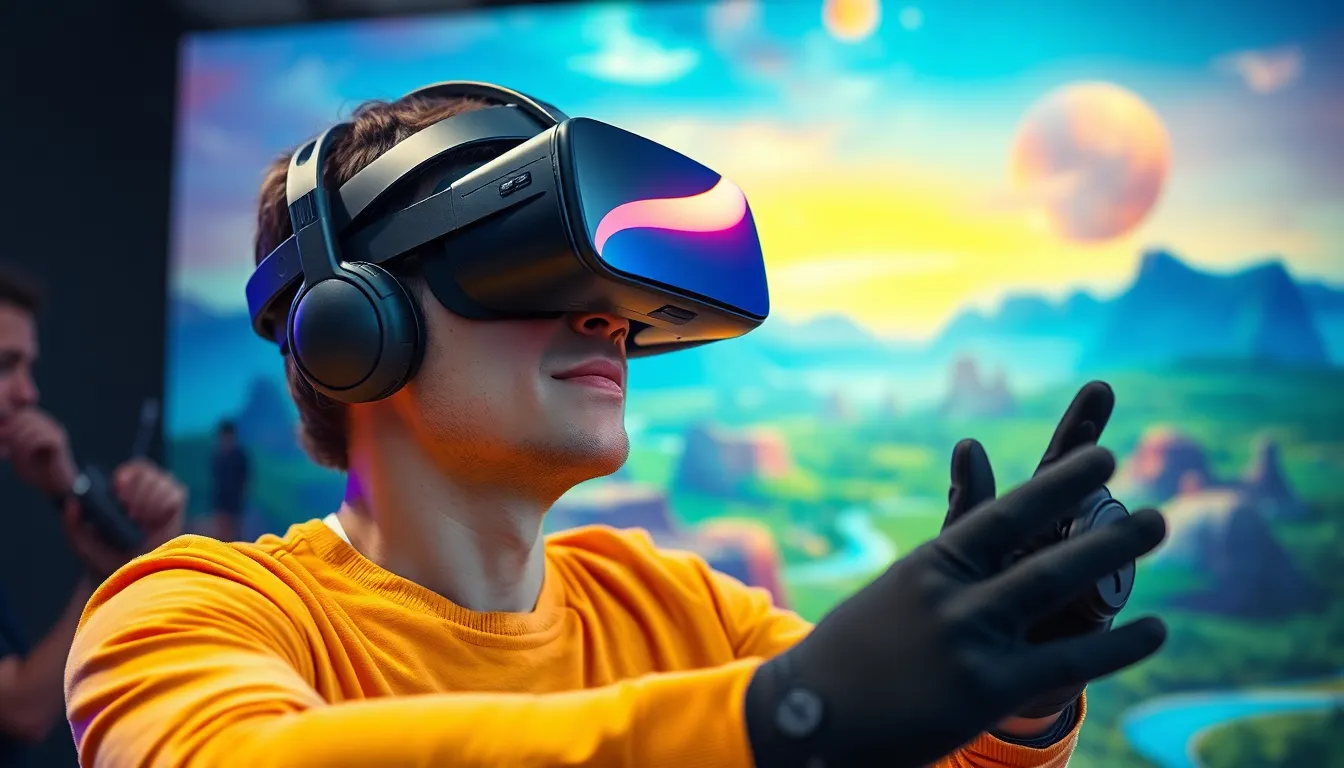
Several key technologies are fueling innovation in virtual reality, enhancing user experiences and engagement. Motion tracking advancements and haptic feedback enhancements stand out as critical components in transforming how individuals interact with VR.
Motion Tracking Advancements
Developments in motion tracking technology have made VR experiences more immersive and accurate. Improved sensors and algorithms capture real-time movements, providing seamless interaction between virtual environments and users. Systems like inside-out tracking eliminate the need for external sensors, making setups simpler. This upgrade enables users to navigate virtual spaces with greater freedom, creating a more engaging experience. Moreover, advancements in hand and body tracking allow for natural movement representation, bridging the gap between the virtual and physical worlds.
Haptic Feedback Enhancements
Progress in haptic feedback technology enhances the realism of virtual experiences. Devices equipped with advanced actuators simulate tactile sensations, allowing users to feel their virtual surroundings. For example, gloves with haptic feedback provide users with the sensation of touching objects, increasing immersion. Enhanced feedback technology generates a more emotional connection to virtual experiences, making them relatable and impactful. As industries adopt these advancements, applications in gaming, therapy, and training evolve, showcasing the pivotal role of haptic feedback in VR.
Applications of Virtual Reality Breakthroughs
Virtual reality (VR) breakthroughs have ushered in transformative applications across diverse fields. These advancements continue to reshape how individuals interact with technology in multiple dimensions.
Gaming and Entertainment
Gaming experienced a revolution with VR, allowing players to immerse themselves like never before. Players engage fully in dynamic environments, participating in life-like adventures that surpass traditional gaming. Immersive storytelling enhances emotional connections, drawing audiences deeper into narratives. Popular franchises leverage VR to offer unique experiences, from exploring fantastical worlds to competing in virtual sports. Developers constantly experiment with innovative gameplay mechanics, ensuring every session feels fresh and captivating.
Education and Training
Education benefits significantly from VR by creating interactive learning experiences. Students participate in realistic simulations, improving retention and understanding of complex subjects. History lessons take learners on virtual field trips to ancient civilizations. Science students conduct virtual experiments without safety risks, fostering curiosity and exploration. Training programs for various professions employ VR to build skills in environments closely resembling real-world scenarios. Engaging content encourages participants to absorb information more effectively, enhancing overall educational outcomes.
Healthcare and Therapy
Healthcare applications of VR are groundbreaking, particularly in medical training and therapy. Medical professionals use VR for realistic simulations, honing skills in a safe setting. Such training reduces risks during actual procedures, ultimately improving patient care. Moreover, therapeutic uses of VR assist individuals dealing with anxiety and PTSD. Exposure therapy in controlled environments allows patients to face fears gradually. These innovative approaches contribute to substantial progress in mental health treatments and medical education, revolutionizing patient care and professional training alike.
Challenges and Limitations
VR technology faces several challenges and limitations that hinder its widespread adoption. High costs associated with advanced VR hardware often prevent access for many users. Compatibility issues between different VR systems contribute to fragmentation, making it difficult for developers to create universally compatible experiences.
User discomfort remains a significant barrier. Experiences often induce motion sickness or eye strain, negatively impacting user enjoyment and engagement. Limited physical space in homes can restrict the ability to utilize some VR systems fully, further deterring users.
Content availability is another pressing issue. While the library of VR applications grows, high-quality, engaging content often remains limited. Developers face challenges in creating compelling experiences that harness the full potential of VR.
Furthermore, social acceptance of VR lags behind technological advancements. Some individuals may feel hesitant to embrace immersive virtual environments due to privacy concerns or the potential for isolation. Addressing these perceptions is crucial for broader acceptance.
Technical challenges also persist. Latency issues can disrupt the immersive experience, making interactions feel less natural. Limited battery life for standalone headsets forces users to restrict their use time, reducing the overall convenience of the technology.
Educational institutions combining VR into curricula face additional obstacles. Training educators to effectively implement VR in classrooms remains a significant challenge. Additionally, institutions may struggle to secure funding for initial investments in hardware and software.
Understanding these challenges is essential as the industry seeks to overcome barriers and promote the growth of VR technology. Addressing these limitations will ultimately lead to more engaging, accessible, and user-friendly virtual experiences.
Future Trends in Virtual Reality
Upcoming trends in virtual reality (VR) demonstrate significant potential for innovation across multiple sectors. Immersive learning experiences gain traction in education, creating new possibilities for student engagement. Enhanced realism from advanced haptic feedback boosts emotional connectivity in entertainment, making storytelling more impactful.
Healthcare continues to integrate VR for training and therapeutic purposes. Medical professionals increasingly rely on realistic simulations to hone their skills, ensuring patient safety while reducing training costs. Patients using VR for therapy report improvements in conditions like anxiety and PTSD, showcasing the technology’s therapeutic advantages.
Corporate settings are embracing VR for remote collaboration, enhancing communication among teams. Companies leverage virtual meeting spaces to facilitate brainstorming and project management, streamlining processes across geographic boundaries. This shift to virtual environments fosters flexibility and productivity.
E-commerce may transform through VR, allowing customers to experience products in immersive ways before purchasing. Virtual showrooms enable consumers to visualize items within their spaces, leading to informed buying decisions and reducing return rates.
Investment in VR content development is crucial for the industry’s growth. Strong demand for high-quality experiences drives developers to create engaging narratives and interactive environments. Partnerships between technology firms and creative industries could support the cultivation of compelling content.
Challenges such as equipment costs and user discomfort might hinder widespread adoption. Addressing privacy concerns and ensuring compatibility across systems can enhance user experience. Education systems must prioritize funding and training to effectively integrate VR into curricula.
Overall, these trends indicate a vibrant future for VR, with its potential expanding into uncharted territories. The interplay of technology, creativity, and user adaptation will determine the industry’s trajectory moving forward.
Conclusion
Virtual reality is on the brink of transforming everyday experiences across diverse sectors. As technology advances the potential for immersive learning entertainment and healthcare applications continues to grow. The integration of VR into various fields is reshaping how individuals interact with technology and each other.
While challenges remain in accessibility and user comfort addressing these issues will be crucial for widespread adoption. The future of VR holds promise not just for gaming but for enhancing productivity in corporate environments and providing innovative solutions in education and therapy. As developers create high-quality content that captivates users the landscape of virtual reality will undoubtedly evolve into an essential part of daily life.