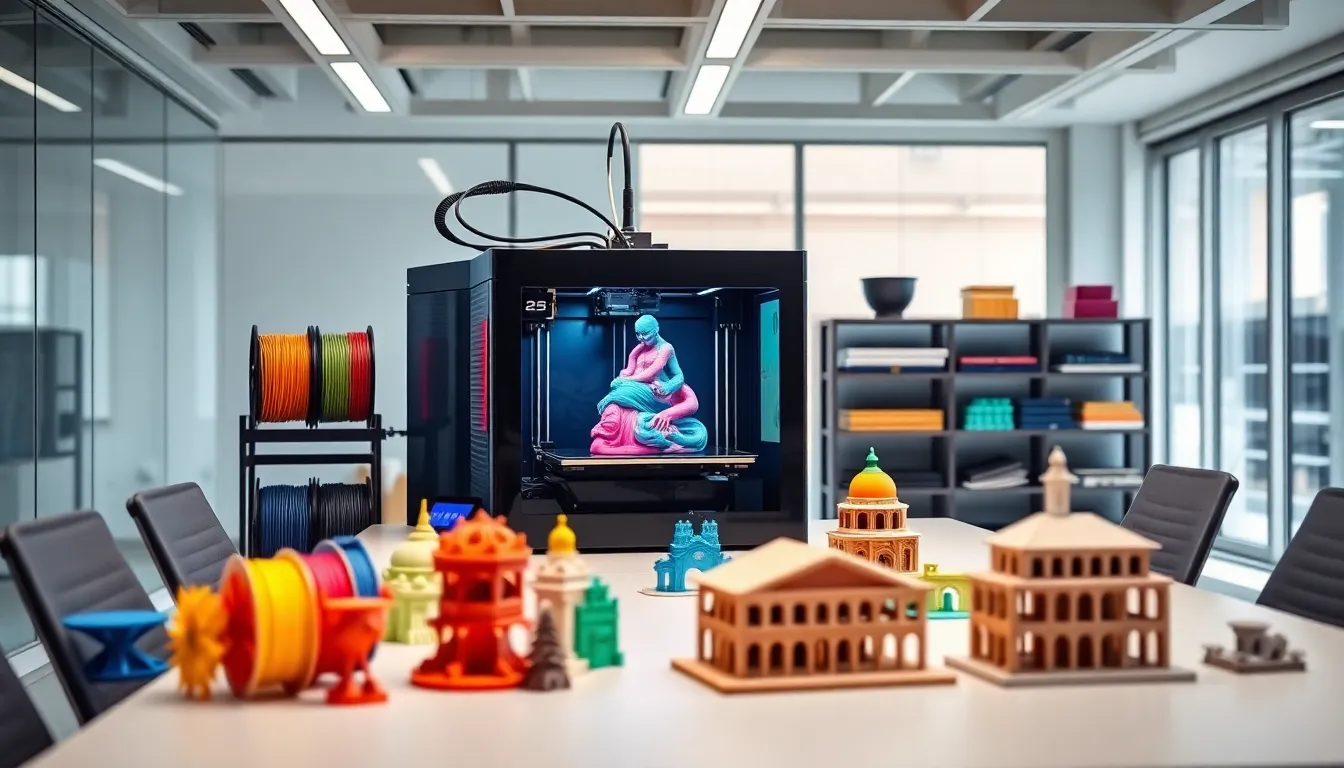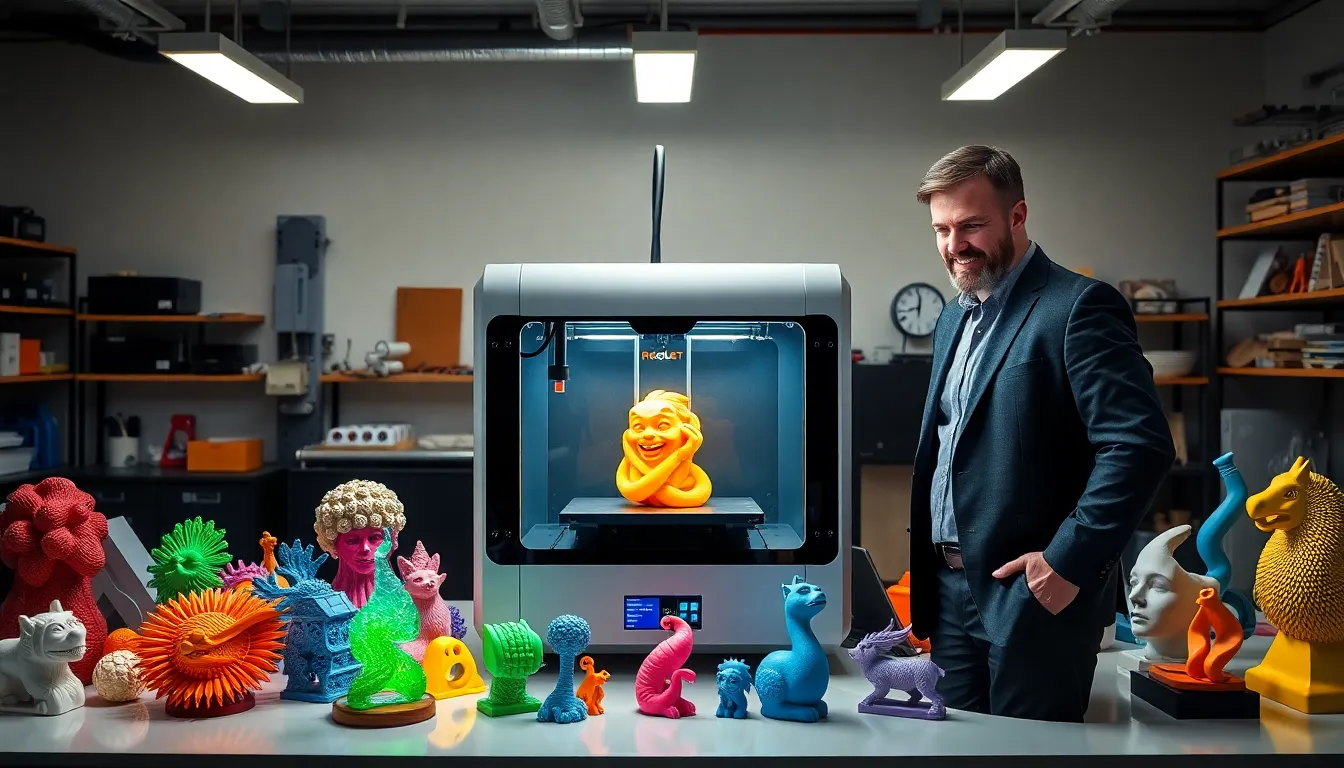

Welcome to the colorful world of multicolor 3D printing. If you thought it was just about printing plastic in boring old monochrome, think again. This innovative technology is turning heads and making waves in both artistic and industrial realms. Imagine creating items that are not only functional but also bursting with vibrant hues. Sounds intriguing, right? In this guide, we’ll dive deep into what multicolor 3D printing is all about, its benefits, and the exciting future that lies ahead in this dynamic field. So, grab your favorite beverage, sit back, and prepare to be amazed.
What Is Multicolor 3D Printing?
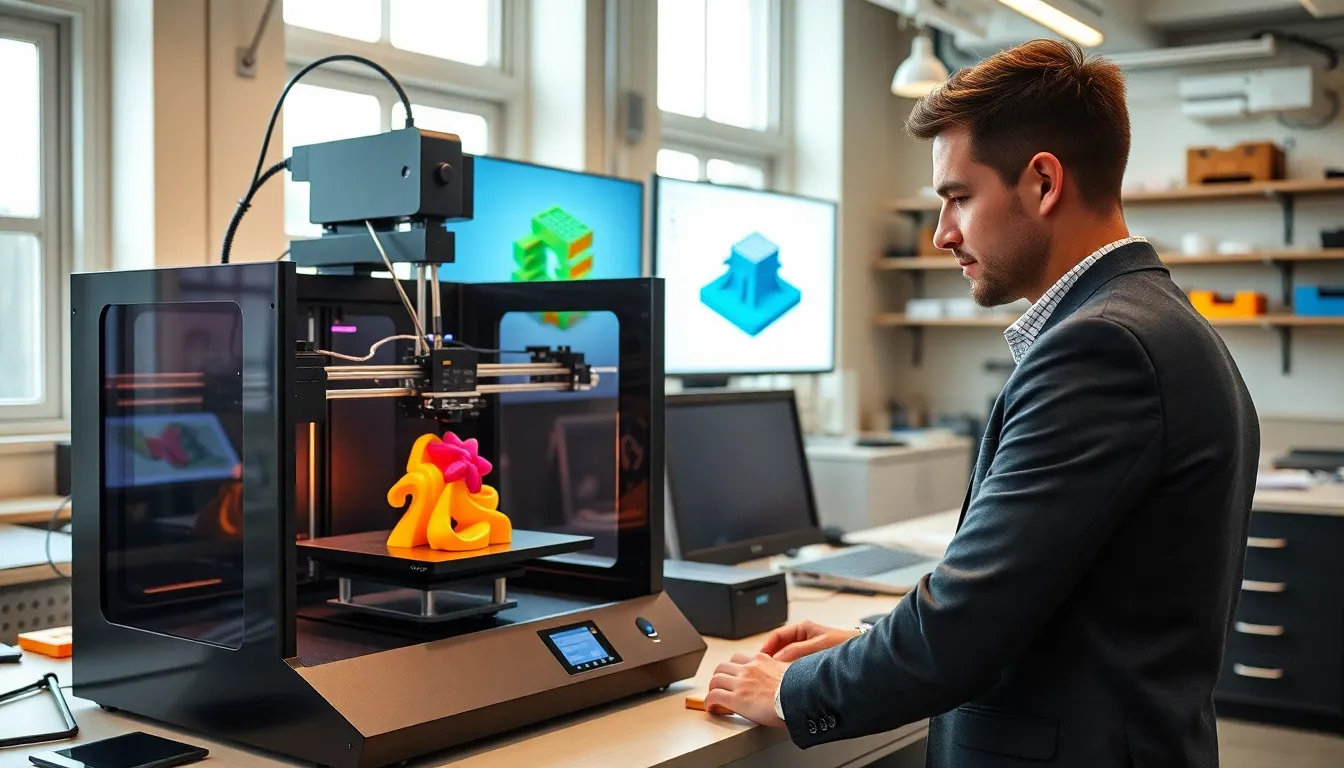
Multicolor 3D printing refers to the process of creating three-dimensional objects using multiple colors and materials in a single print job. Unlike traditional 3D printing, which often results in objects that are one solid color, multicolor printing enables the production of items that can feature intricate designs and vivid color patterns. This technique utilizes advanced technology like fused deposition modeling (FDM), stereolithography (SLA), or those employing multiple materials to create a final product that resembles an original work of art. In essence, multicolor 3D printing marries functionality with creativity, resulting in bespoke pieces that can be both utilitarian and visually stunning.
Benefits of Multicolor 3D Printing
The advantages of multicolor 3D printing are numerous and noteworthy. First and foremost, it offers a broad spectrum of design possibilities. Creators can produce items with intricate details that enhance their visual impact, drawing attention and accolades alike.
Besides, multicolor printing can significantly reduce the need for post-processing. Traditionally, after printing, items would require painting or finishing touches to achieve the desired color. With multicolor technology, those steps often become unnecessary, saving both time and effort.
Another benefit is the personalization aspect. In a world that increasingly values individuality, multicolor 3D printing allows for customized designs tailored to specific customer needs. This is a game changer in fields like manufacturing, where unique shapes and colors can cater to different markets.
Finally, from an economic standpoint, businesses can reduce material waste because multicolor printing efficiently utilizes each color in a single print, leading to a lower environmental impact.
Technology Behind Multicolor 3D Printing
The technology driving multicolor 3D printing varies. One of the most common methods is Fused Deposition Modeling (FDM), where multiple filaments of different colors are strategically deposited layer by layer. This is typically facilitated by dual-nozzle print heads that allow for mixing materials in real-time, producing seamless gradients or sharp transitions in colors.
Another technology worth mentioning is PolyJet, used in SLA printers. This process works by jetting out droplets of photopolymers that are cured by UV light, resulting in high-resolution, multicolor prints. This method allows for precise color matching and can produce highly detailed and smooth surfaces.
Also, selective laser sintering (SLS) can also be adapted for multicolor printing with materials that change color upon heating. Essentially, the type of technology chosen impacts the level of detail, the type of materials used, and the overall output quality.
Applications of Multicolor 3D Printing
The applications of multicolor 3D printing are as diverse as the colors it produces. In the medical field, prosthetics can be created that match the skin tone of the user, providing a custom solution that doesn’t stand out. This is crucial for user confidence and comfort.
Another application can be found in the consumer product market. Companies are using multicolor 3D printing to produce toys, gadgets, and even household items with appealing designs that attract consumers. Imagine a smartphone case that expresses one’s personality through unique combinations of colors.
In architecture and design, multicolor 3D printing is facilitating the creation of stunning architectural models that provide vivid representations of finished projects. Similarly, artists and designers are leveraging this technology to produce sculptures and art pieces that captivate audiences with vibrant colors and intricate details.
Choosing the Right Multicolor 3D Printer
When selecting the ideal multicolor 3D printer, it’s essential to consider several factors. User experience is paramount: opting for a printer with a user-friendly interface can save time and frustrations.
Next, evaluate the printer’s compatibility with various materials. Not all printers can handle the broad range of filaments required for multicolor projects effectively. Also, look into resolution capabilities. Higher resolutions lead to finer details, making for a more aesthetically pleasing final product.
Price is also a consideration, as the market offers a wide spectrum of printers at differing price points. It’s wise to balance budget constraints with the desired features. Finally, researching reviews and case studies can provide valuable insight into the potential of specific machines before making a purchase.
Common Challenges in Multicolor 3D Printing
Even though its many benefits, multicolor 3D printing is not without its challenges. One of the most common issues is color bleeding, where adjacent colors blend together unintentionally. This can lead to a muddy look instead of the crisp separation that many designs require.
Besides, calibration can be a headache. Maintaining the right alignment of print heads is crucial for achieving the desired results. Poor calibration can lead to suboptimal prints and wasted material.
Material availability is another hurdle. Not all filaments suitable for multicolor printing may be readily accessible. Hence, researchers and creators sometimes have to compromise on color choices or material quality.
Finally, the cost of a multicolor 3D printer can be significantly higher than single-color variants, often making them less accessible for hobbyists or smaller businesses.
The Future of Multicolor 3D Printing
Looking ahead, multicolor 3D printing is set to evolve in fascinating ways. Advancements in software can lead to improved modeling tools that allow users to create even more detailed and complex designs effortlessly. Additive manufacturing methods will likely become more efficient, reducing production times and costs.
Also, more industries are embracing this technology. The automotive and aerospace sectors are particularly poised to leverage multicolor 3D printing, leading to innovations that enhance performance while capitalizing on aesthetic value.
Also, sustainability initiatives drive the development of eco-friendly materials, leading to a lower environmental impact in the production cycle. The future looks vibrant and promising as more players enter this field.