Imagine slipping on a headset and being transported to a bustling 1920s Paris café, sipping a virtual espresso while discussing philosophy with your digital doppelgänger. As whimsical as it sounds, that future is inching closer every day. Virtual reality (VR) is not just a dizzying blend of pixels and code, but a revolutionary technology reshaping our experiences across various sectors. Brace yourselves, because the future of VR is thrilling, and it’s poised to redefine how we interact with the world, ourselves, and each other.
Technological Advancements Shaping VR
Improved Hardware Capabilities
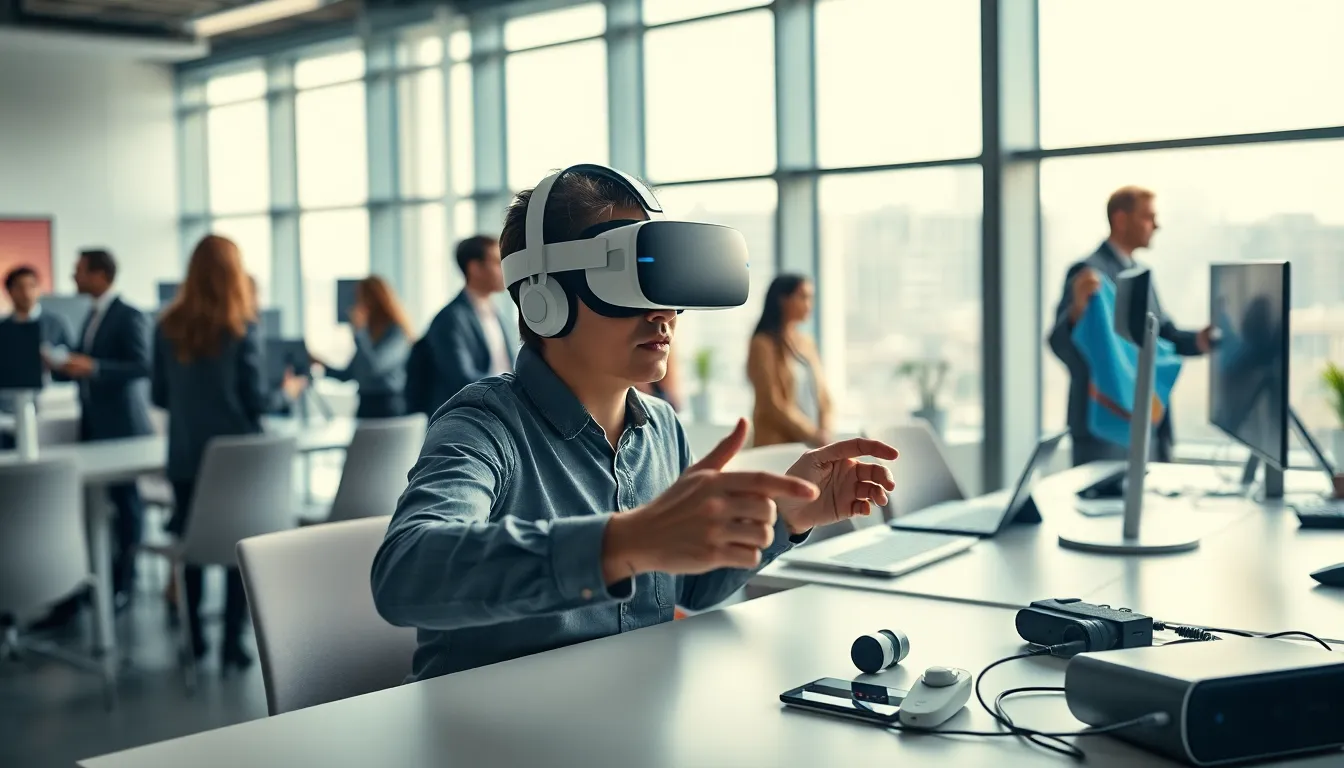
The backbone of VR technology lies in its hardware, steadily evolving to meet user demands. Gone are the heavy, clunky headsets of the past. Today’s devices boast lightweight designs with high-resolution displays that create stunningly immersive environments. Manufacturers like Oculus and HTC are pushing boundaries with innovations such as wireless technology, allowing users to roam freely without being tethered to a computer. Imagine playing your favorite VR game while doing cartwheels: that’s the goal.
Also, advances in haptic feedback technology mean users can now feel virtual interactions more tangibly. Think about grasping a virtual object and actually feeling its weight, thanks to sophisticated gloves and controllers. Such improvements not only enhance user engagement but also expand VR’s potential applications beyond gaming into realms like education and therapy.
Software Innovations and Applications
As important as hardware advancements are, software innovations elevate the VR experience to unprecedented levels. Platforms are evolving, integrating AI to create personalized experiences tailored to individual preferences. Virtual environments are becoming more interactive, with capabilities that allow users to manipulate their surroundings in real time. Whether it’s designing a dream home or conducting virtual surgery, the possibilities are endless.
Also, VR applications are expanding into diverse fields. From architecture and design to social platforms where people can meet in digital spaces, new applications are constantly emerging, transforming not just how we engage with technology, but also how we connect with one another.
Emerging VR Interaction Methods
VR in Gaming and Entertainment
Gaming has always been at the forefront of VR adoption. Picture this: you find yourself in a breathtaking fantasy world, battling trolls and dragons alongside friends from around the globe. Multiplayer VR games are evolving, providing experiences that feel remarkably lifelike. Game developers are leveraging vast virtual spaces and interactive storytelling to captivate audiences like never before.
Entertainment extends beyond games, with virtual reality redefining movies and concerts. Imagine attending a live concert in VR, feeling the thrum of bass reverberate not just in your ears but in your soul. This shift from passive viewing to active participation is transforming how stories are told, making the audience an integral part of the narrative.
Educative and Training Applications of VR
In the realm of education, VR is breaking barriers. Students can now experience historical events, explore the human body, or even travel through the cosmos without leaving their classrooms. These immersive experiences enhance learning, making it more engaging and memorable. Educators are incorporating VR to cater to various learning styles, providing hands-on opportunities that traditional methods can’t replicate.
Training simulations in fields like medicine, aviation, and military are utilizing VR for realistic practice scenarios. Imagine a trainee surgeon practicing complex procedures in a risk-free environment, sharpening their skills before operating on real patients. With VR, the potential for enhanced training and safety is monumental.
VR in Health and Therapy
Social Interaction and Virtual Communities
The social implications of VR are profound. Virtual communities are blossoming, offering avenues for connection in an increasingly digital world. Imagine meeting with friends in a virtual park, or even forging new friendships across continents, all while enjoying the novelty of being together in a digital space.
Therapeutically, VR is gaining traction for treating anxiety, PTSD, and phobias. Patients can confront fears in a controlled environment, guided by a professional, while feeling safe and secure. The therapeutic potential of using VR to foster social connections or treatment avenues marks a turning point in mental health care.
The Role of VR in Remote Work
The Ethical Considerations of Virtual Reality
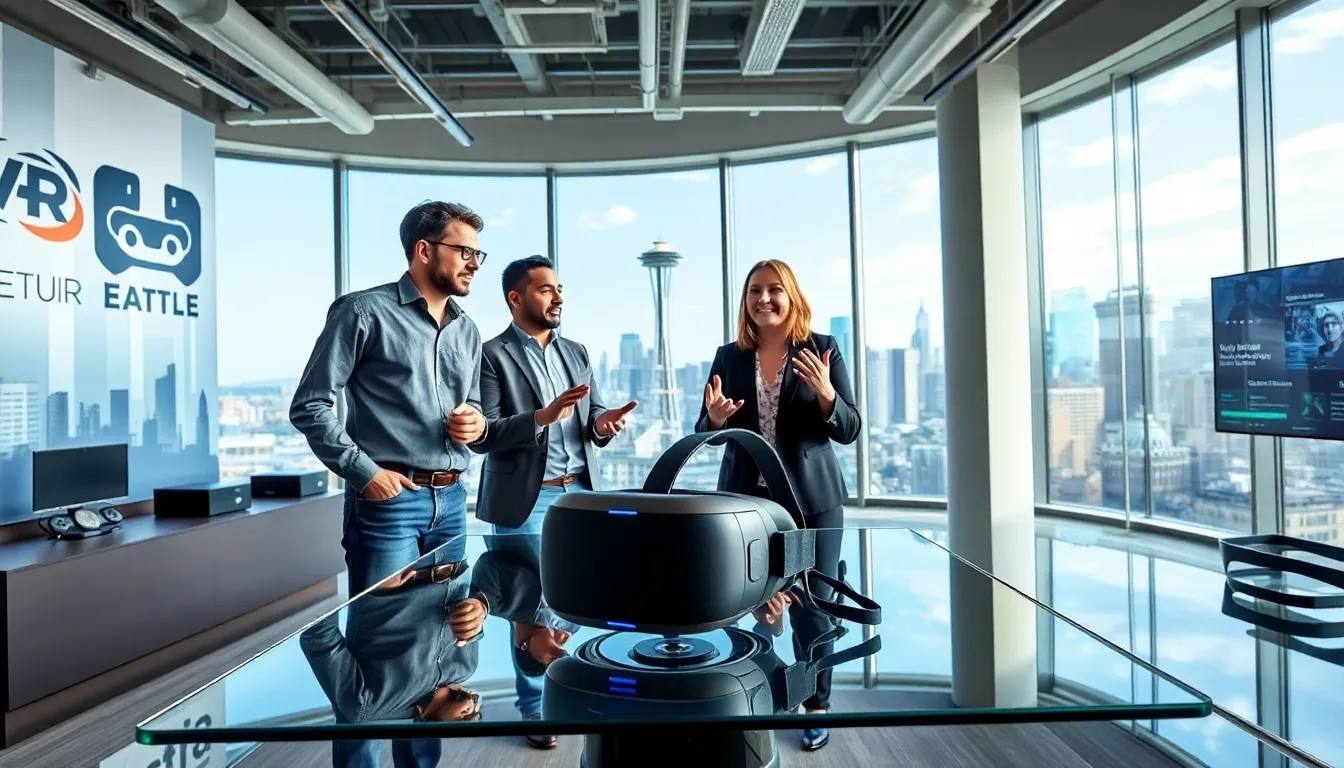
As VR technology permeates the workplace, it brings forth necessary conversations about ethics. Who owns your data in virtual environments? What happens to personal information once you log out? As companies adopt VR for training and meetings, ensuring a secure space for employees becomes paramount. Navigating these conversations is vital to maintaining trust in evolving technologies.
Privacy and Security Concerns
Also, security concerns loom large as employees increasingly engage in this digital space. Who has access to the virtual office? How can organizations protect sensitive information while embracing this innovative medium? Creating robust security measures will be essential for organizations to harness VR’s full potential while safeguarding their workforce.
The Future of VR: Predictions and Trends
Potential Market Growth
Looking ahead, the potential for VR is staggering. Experts project significant market growth as businesses recognize the value of immersive experiences in training, marketing, and customer engagement. For instance, industries such as real estate are beginning to leverage VR for virtual tours, making property searches more efficient and engaging for potential buyers. This growing acceptance across sectors illustrates an exciting horizon for VR technology.
Long-Term Social and Cultural Impacts
The long-term impact of VR on culture and social behaviors will be profound. As more individuals engage with virtual environments, the lines between physical and digital realities might blur. Will virtual experiences redefine notions of space and presence? How will relationships change when connections are formed across screens instead of in person? These questions prompt intriguing discussions about the fabric of human connectedness in a VR-dominated future.