


In the world of 3D printing, color adds a dash of pizzazz that can transform a plain old prototype into a vibrant masterpiece. Ever watched a magician pull a rabbit out of a hat? That’s what color 3D printing can feel like. This technology does more than just impress: it brings designs to life in ways that monochrome prints simply can’t. Navigating through the colorful landscape of this innovative process might seem daunting, but don’t fret. Whether you’re a hobbyist, an engineer, or simply someone curious about the future of printing, this guide will ease you into the rainbow-hued world of color 3D printing.
Understanding Color 3D Printing Technologies
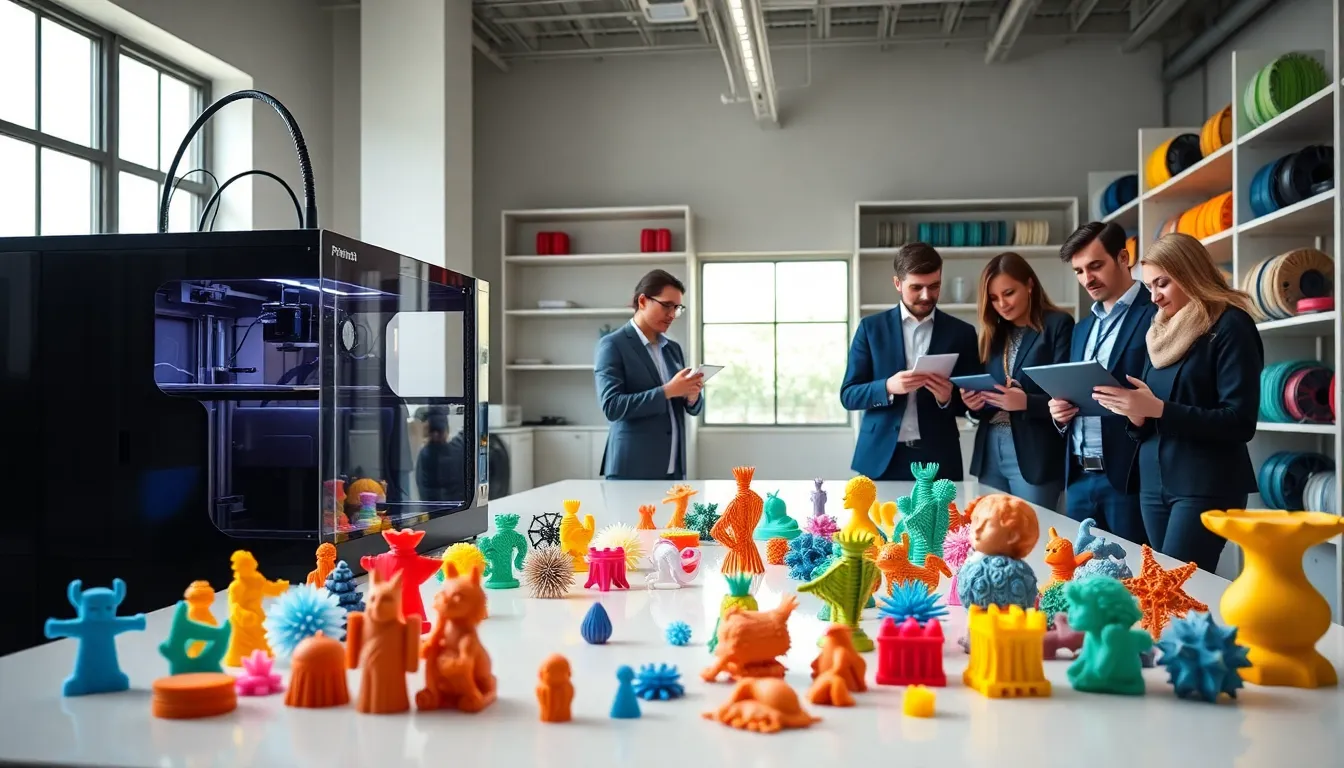
Color 3D printing has evolved significantly over the years. At its core, it mixes the principles of traditional 3D printing with new technology to deliver stunning results. One of the primary methods involves using multiple filament sources or blended materials that allow for a full spectrum of colors to be produced during the printing process.
Technologies like Material Jetting and Binder Jetting stand at the forefront, where tiny droplets of colored resin are selectively deposited, creating rich layers of color. Material Jetting, in particular, involves using inkjet technology to deposit photopolymer resins that can then be cured using UV light, resulting in incredibly detailed models.
Another exciting method is the use of PolyJet technology, which prints multiple materials simultaneously and is known for its ability to create strikingly accurate color gradients. All these technologies harness the power of color, enabling designs that pop with personality.
Types of Color 3D Printing Methods
Diving into the types of color 3D printing methods illuminates the variety available. Here’s a breakdown of the key players in this colorful arena:
Fused Deposition Modeling (FDM)
FDM is one of the most commonly used technologies. In color FDM, a specialized dual-extruder setup allows two filaments to mix. While it’s not as refined as other techniques, it offers an accessible entry point for color printing.
Selective Laser Sintering (SLS)
SLS utilizes a laser to fuse powdered material, and while traditionally monochromatic, post-processing methods enable players to add color through dyes or surface treatments.
Binder Jetting
This method delivers color through the use of inks that bind powdered materials together in layers. It’s versatile and can produce vibrant and intricate designs with ease.
PolyJet
PolyJet technology excels at producing intricate details with smooth finishes. It supports multiple materials and colors simultaneously, making it a favorite among designers and engineers.
Applications of Color 3D Printing
The applications of color 3D printing stretch far and wide. In the medical field, color can be critical for creating anatomical models that help in surgery planning. These detailed prints allow surgeons to visualize the procedure before they even step into the operating room.
In the realm of product design and prototyping, companies use color 3D printing to create eye-catching models that help stakeholders visualize concepts. Marketing departments have embraced this technology to create colorful displays that grab customers’ attention.
An often-overlooked area is education. Color 3D printing is becoming an invaluable tool in classrooms, helping students visualize complex concepts in subjects like biology and engineering. The ability to create tangible objects not only engages students but also enhances their learning experience.
Benefits of Color 3D Printing
So why should one consider color 3D printing? Well, the benefits are profound.
Enhanced Visualization
Color prints provide an improved way to visualize designs. When components are distinctly colored, differences become more apparent, making design reviews much simpler.
Cost-Effective Prototyping
Gone are the days of expensive models for presentations. Color 3D printing allows companies to produce prototypes without very costly, making it feasible to iterate designs rapidly.
Speedier Product Development
Time is money, especially in the fast-paced world of tech. With color 3D printing, teams can go from digital models to physical prototypes in record time. This enables faster decision-making and accelerates product launches.
Challenges and Limitations of Color 3D Printing
Color 3D printing certainly isn’t without its challenges. One significant hurdle is the cost of materials. High-quality color filaments or resins come with a premium price tag that can deter small businesses or hobbyists.
Another issue is the limitation of color fidelity. While many methods produce great results, achieving precise color matching can be tricky, often requiring multiple runs to perfect. Also, some methods can produce layer lines that detract from the overall appearance.
Finally, the learning curve can also pose problems. Mastering the technology often requires time and patience, especially for those new to 3D printing.
Future Trends in Color 3D Printing
The future of color 3D printing looks bright and full of possibilities. Innovations in materials are paving the way for new colors and finishes. Expect to see biocompatible, eco-friendly materials gaining ground, reflecting a growing concern for sustainability within the industry.
AI integration is another area on the horizon. As algorithms evolve, machine learning could optimize printing processes, leading to faster production times and improved outputs. Besides, hybrid printing, a combination of different methods, promises to expand capabilities, allowing for more complex items to be brought to life with vibrant colors.
As technology continues to evolve, it’s clear that color 3D printing will play a pivotal role in various industries.


